
Research Leads to Pioneering Treatment of Most Common Eye Tumors
 Choroidal melanoma is the most common eye cancer in adults, and Dr. Finger’s research has been key to developing treatments.
Even so, it is still extremely rare. Annually, 4-6 people per million in the US are diagnosed with choroidal melanoma, and it is found in 10-12 people per million in Australia, Europe and Russia. It occurs more commonly in people who work outdoors, and those with blue irises and fair skin. This seems to indicate that ultraviolet radiation from the sun plays a role. So Dr. Finger says, “Think of sunglasses as sunblock for your eyes.”
Dr. Finger has done extensive research in the diagnosis and treatment of choroidal melanoma, leading to pioneering treatments.
In 2009, Dr. Finger published his patient outcomes for 400 cases of intraocular melanoma treated with palladium-103 plaque radiation therapy. He found a local control rate (rate of killing the tumor in the eye) of 96.7%. With this treatment, 79% of patients retained useful vision. In 2013, he published a study that small melanomas treated with palladium-103 plaques did even better (100% local control).
Continue reading…
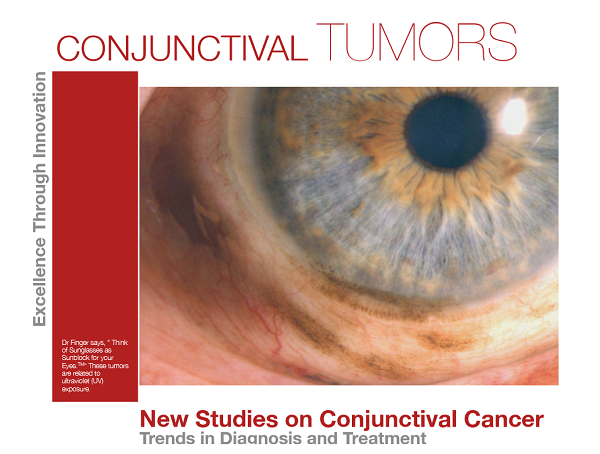 Dr. Finger’s research of conjunctiva tumors leads to three important points.
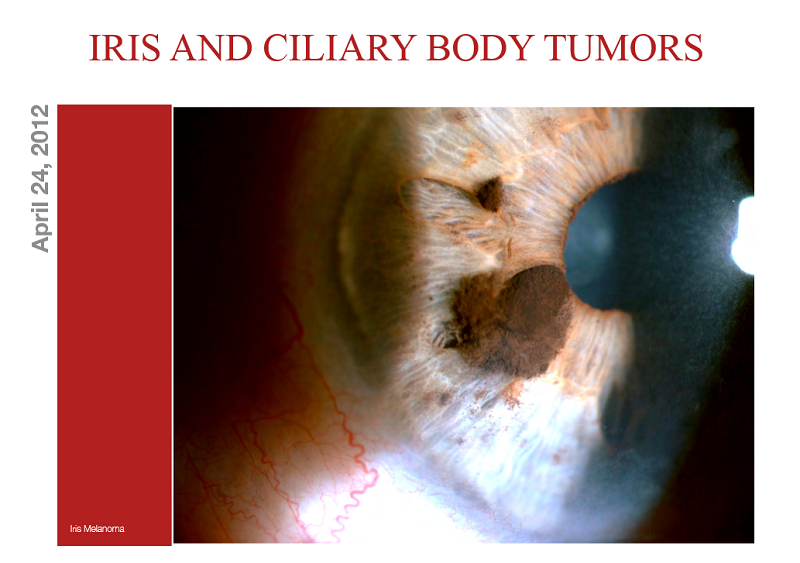 Iris melanoma is a relatively rare form of eye cancer.
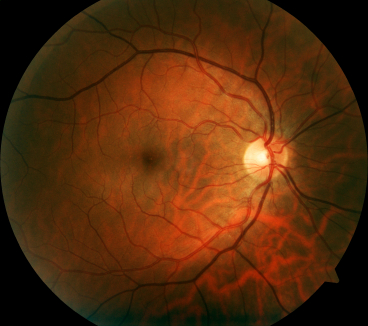 Choroidal melanoma is the most common primary intraocular cancer in adults.
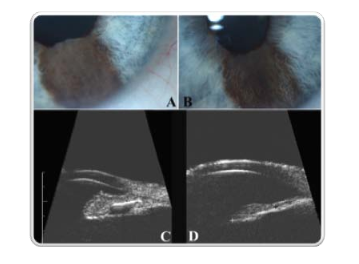 The methods for diagnosis of patients with iris, iridociliary and anterior uveal tumors have changed in recent years.
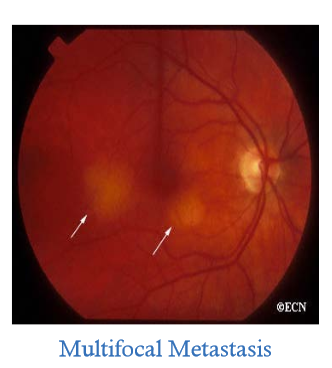 When cancer metastasizes to the eye and the orbital area, early detection, diagnosis, and prompt treatment offer the best chance to preserve vision.
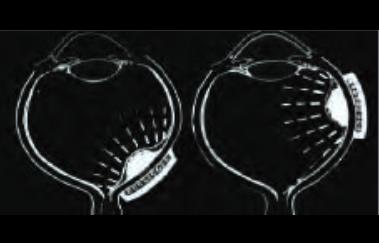 Radiation plays a key role in the treatment of ocular tumors.
 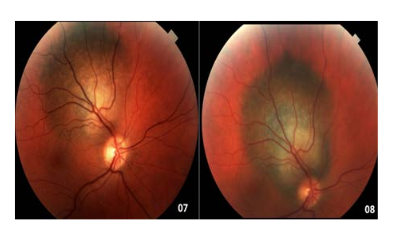 Choroidal melanoma is the most common primary intraocular tumor in adults. Dr. Finger has been instrumental in creating The Collaborative Ocular Melanoma Study of Choroidal Melanoma. Download a summary of the study today:
 Conjunctival tumors affect the area inside the eyelids and on the surface, or white, of the eye. They are primarily related to ultraviolet light exposure from the sun.
 Two treatments for eye cancer pioneered by Dr. Paul Finger are saving vision and helping patients keep their eyes. Dr. Finger talked about these developments in a wide-ranging interview with Ivanhoe: